Individualized Older Adult Care Services: Your Supporter in Aging Gracefully
Individualized senior care programs play a vital element in supporting older adults as they advance in age. These options focus on individual needs and preferences, delivering important help that boosts both self-reliance and health. With choices spanning from social engagement to specialized medical support, families often face difficulties in choosing the right strategy. Learning about the various facets of customized support can result in major gains in quality of life for older individuals. What factors should one think about when selecting a health provider?
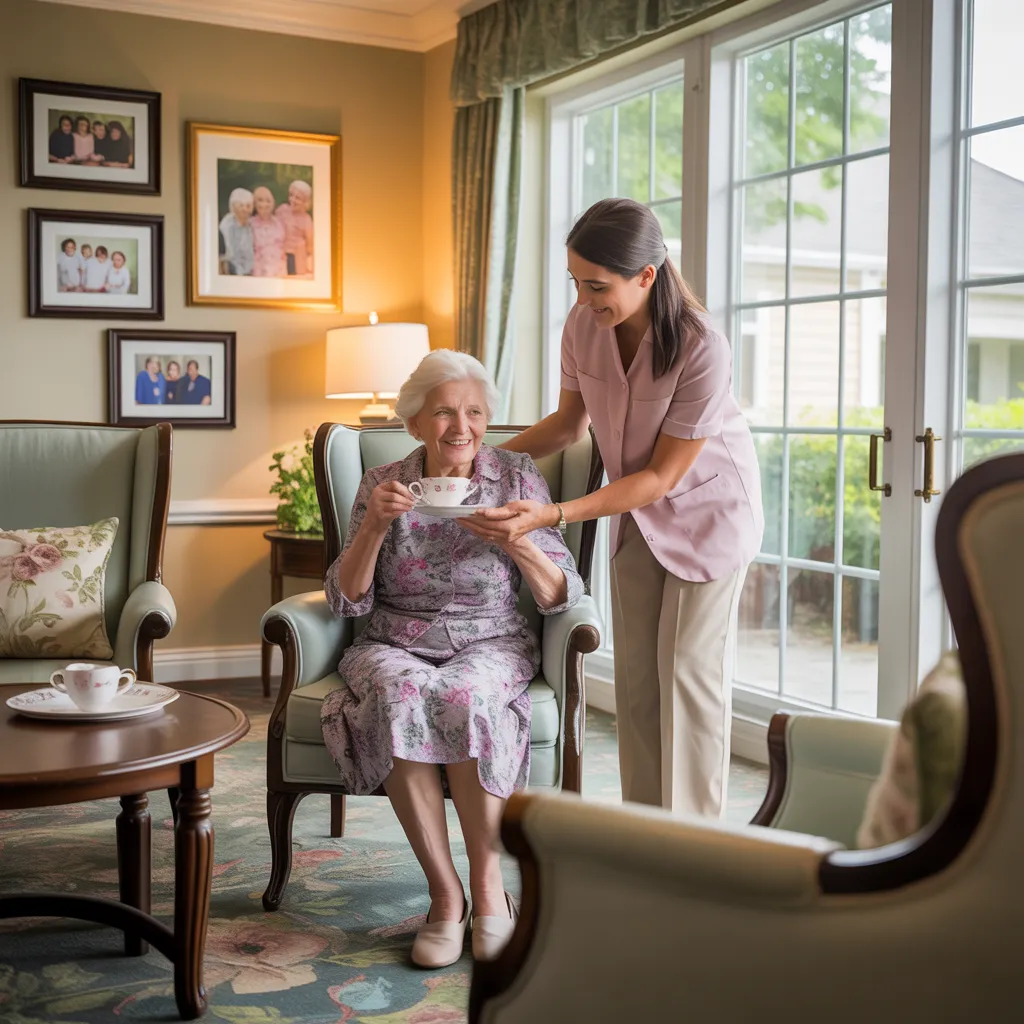
Grasping Tailored Senior Assistance Services
Personalized care can include support with everyday tasks, wellness monitoring, and companionship, all developed to support independence and dignity. By giving attention to the person, caregivers can encourage a sense of belonging and fulfillment, which is necessary for mental well-being. Moreover, these services often modify as time passes, meeting the changing needs of older adults. This adaptability makes possible periodic evaluation and refinement, ensuring that support remains suitable and effective. In essence, personalized senior care involves enhancing the complete quality of life of older adults in a respectful and understanding manner.
Forms of Bespoke Aged Health Services
Senior care services that are personalized encompass a variety of options customized to fulfill individual requirements. Main categories include in-home care options that furnish assistance in the comfort of one's home, along with specialized health services formulated for particular medical conditions. These services work to better the quality of life for seniors, guaranteeing they receive the appropriate support.
In-Home Services Choices
As families labor to ensure their loved ones receive the finest care, diverse in-home care alternatives emerge to fulfill different needs. Companionship support services provide mental health assistance and social interaction, aiding seniors combat loneliness while helping with daily activities. Personal care aides emphasize hygiene and mobility support, ensuring safety and comfort in a familiar environment. For those demanding more assistance, homemaker services extend help with household tasks such as cleaning, cooking, and laundry, permitting seniors to maintain their independence. Respite care provides temporary relief for primary caregivers, offering vital breaks while ensuring continuity of care. Each option emphasizes personalized attention, allowing families to choose the level of support that aligns with their loved one's unique requirements.
Health Services Focus
Handling the complexities of aging often requires specialized health services adapted to fulfill the distinct medical needs of seniors. These services deliver a range of offerings, including geriatric assessments, chronic disease management, and physical therapy. Geriatric assessments evaluate an individual's overall health, pinpointing specific needs and interventions. Chronic disease management concentrates on conditions like diabetes or heart disease, offering ongoing support and education to guarantee ideal health outcomes. Physical therapy enables seniors regain mobility and strength, improving their quality of life. Additionally, mental health services address emotional well-being, offering counseling and support groups. By merging these specialized services, seniors can navigate their health journeys with greater assurance and support, ultimately promoting a more graceful aging process.
Important Perks of Personalized Elderly Services
Personalized senior care provides significant advantages through customized treatment strategies that meet individual needs. This personalization not only promotes better health outcomes but also improves the overall quality of life for seniors. By emphasizing the distinct needs and preferences of every person, personalized care creates a nurturing setting favorable for well-being.
Individualized Care Plans
A expanding number of senior care services are appreciating the necessity of tailored care plans, which cater specifically to the unique needs and preferences of each individual. These personalized plans evaluate various factors, encompassing medical history, physical capabilities, and emotional well-being, confirming that care is not only effective but also respectful of the senior's lifestyle and wishes. By bringing in family members and caregivers in the decision-making process, these services foster a collaborative approach that increases satisfaction and compliance. Additionally, tailored care plans can evolve, considering changes in health status or personal preferences, thereby providing ongoing support. This personalized approach helps seniors copyright self-determination while accessing the care they require, ultimately producing more purposeful and satisfying experiences.
Superior Quality Of Existence
Numerous research highlight that personalized senior care significantly enhances the quality of life for older adults. By focusing on individual needs, preferences, and lifestyles, these services encourage physical, emotional, and social well-being. Tailored care plans can lead to better health outcomes, as they often include customized nutrition, exercise, and medication management. Additionally, personalized attention fosters meaningful relationships between caregivers and seniors, lessening feelings of isolation and loneliness. This supportive environment promotes active engagement in daily activities, enhancing mental stimulation and overall happiness. Ultimately, personalized senior care not only addresses medical needs but also enriches the emotional and social dimensions of aging, allowing older adults to thrive and maintain their dignity.
Picking the Correct Aging Care Organization
How can relatives guarantee they select the most suitable elderly care facility for their family members? The process starts with comprehensive investigation. Families should assess candidate facilities based on qualifications, experience, and services offered. Reviewing online reviews and testimonials can offer valuable insights into the quality of care.
Afterwards, organizing interviews allows families to ask particular inquiries, making certain that the provider's values and methods align with their loved one's needs. It is essential to examine the care setting's environment and staff interaction, as these elements significantly impact the standard of service.
Additionally, confirming adequate credentials and endorsements can help families evaluate the provider's credibility. Comprehending the cost structure and available financial options is equally important to eliminate unexpected expenses. In conclusion, choosing a senior care further information provider should incorporate a balance of thorough research and human connection, ensuring that the chosen option enhances the loved one's well-being and dignity.
Enhancing Autonomy and Safety for Seniors
Additionally, digital tools plays an integral role in enhancing independence. Devices like medical alert systems and home monitoring solutions allow seniors to take charge of their daily activities with confidence. Custom care plans, tailored to individual needs, further support seniors in exploring hobbies and social engagements, fostering a sense of purpose.
In addition, caregivers extend support for daily tasks while inspiring seniors to engage as fully as they can. This blend of help and personal choice not only increases safety but also nurtures self-esteem, ultimately advancing a more enriching and autonomous lifestyle for seniors.
Inspiring Stories: How Customized Care Enhanced Lives
Tailored care has proven transformative results for numerous older adults, demonstrating the profound impact that personalized support can exert on their lives. One instance of this success is a 78-year-old woman called Margaret, who experienced difficulties with mobility and loneliness. Upon enrolling in a personalized support initiative, she gained assistance that featured customized fitness routines and community interaction activities. Within months, Margaret regained strength and confidence, making it possible for her to join in local events.
Likewise, John, a 72-year-old veteran with memory challenges, took advantage of one-on-one cognitive stimulation activities developed for his interests. His caregiver incorporated familiar themes from his military service, strengthening meaningful conversations and alleviating anxiety.
These examples illustrate how tailored support not only addresses personal requirements but also enhances mental wellness. By adjusting services to each older person's specific situations, healthcare providers can substantially enhance quality of life, allowing aged individuals to age gracefully and with dignity.
Regularly Submitted Questions
What Method is Used to Establish Custom-Made Care Plans for Each Senior?
Customized support strategies for elderly individuals are created through thorough reviews, incorporating assessments of physical condition, wishes, and routine requirements. Collaborating with medical practitioners, families, and the elderly individuals themselves guarantees personalized care that promotes well-being and dignity.
What Skills Ought Care Providers Need for Specific Services?
Caregivers must obtain appropriate credentials, such as CPR and first aid, combined with specialized training in elderly care. Compassion, interpersonal abilities, and knowledge with multiple medical needs are vital for delivering effective personalized services.
In What Ways Can Families Stay Engaged in the Care Process?
Families can remain engaged in the caregiving journey by attending meetings, maintaining consistent communication with caregivers, participating in care planning, and engaging in activities with their loved ones, creating a cooperative and nurturing environment for seniors.
What Urgent Procedures Exist for Aged Individuals Getting Support?
Emergency protocols for aged individuals under care provide swift entry to health support, established alert systems for caregivers, regular protective drills, and tailored emergency blueprints adapted to individual health needs and preferences, delivering prompt responses during emergencies.
Do Insurance Policies Cover Personalized Senior Care Services?
Personalized aged care services may be partially paid for by insurance, based upon the policy. Financial assistance often differs by organization and specific services needed, so consumers should examine their policy documents for thorough information pertaining to eligibility requirements and benefits available.